
Industries
The same recipe, a hundred boxes, and a peak that is a different operation from the rest of the day.
The same recipe is supposed to run in a hundred boxes. It does not. Ticket time at peak is a different clock from 10 a.m., and the labor model written for a slower day does not hold when the window fills.
Mobile orders and drive-thru sit on top of a layout drawn for a café line. Peak is not a busier version of 10 a.m. It is a second system sharing the same make table.
A new unit does not yet run like the rest of the set. Opening week is its own operation — same menu, different times, a crew that has not yet carried the peak.
Waste and portion that the ticket does not carry show up as food cost. The guest never sees that number. The unit does.
What gets installed is peak labor versus the written model, window and mobile flow on a café layout, unit-to-unit recipe and ticket time, opening-week standard, and portion the ticket does not carry. How that runs is on What we do.
~2/3
Of QSR sales that run through the drive-thru at most chains.
Envysion / TalkLP Accelerate 2026 Drive-Thru report: 66.4% of revenue through the lane.
11%
Drive-thru orders that still leave inaccurate.
Implied by ~89% accuracy in QSR Magazine / Intouch Insight Drive-Thru Study (2024).
4:03
Average total drive-thru time in the classic segment.
QSR Magazine Drive-Thru Study, classic-segment total time (study year as published on this page).
25–30%
Labor as a share of sales in a typical QSR unit.
Common QSR labor target; National Restaurant Association limited-service range.
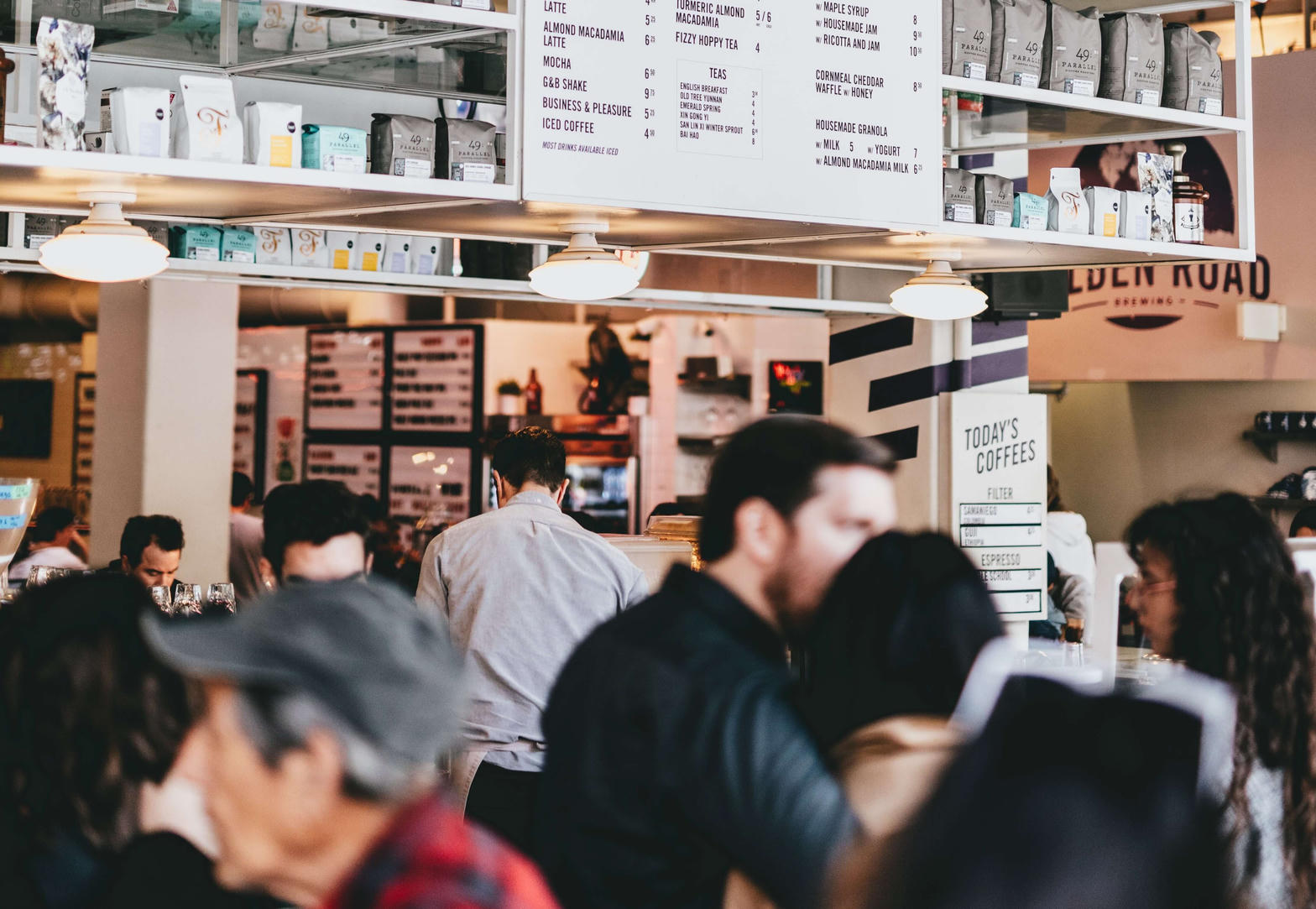
The clock the guest is waiting on. Peak is not a busier version of 10 a.m.
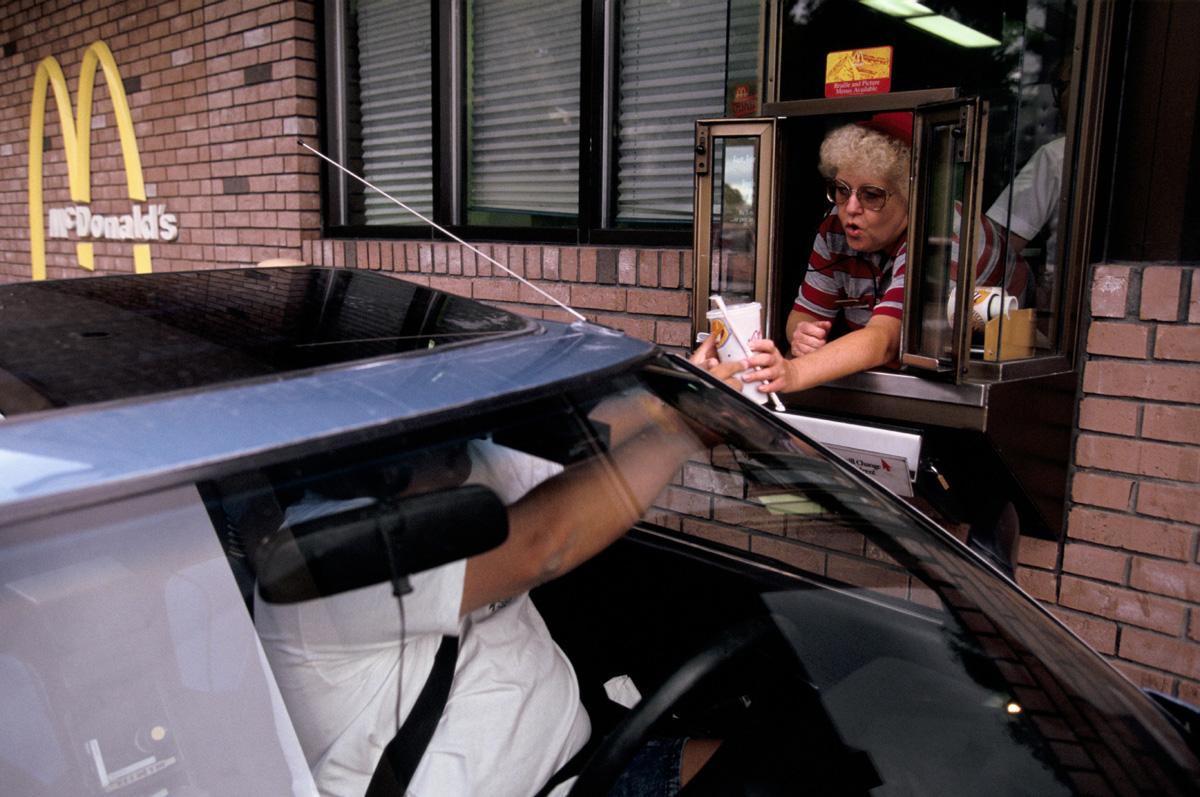
Drive-thru and mobile sitting on a line drawn for a café.
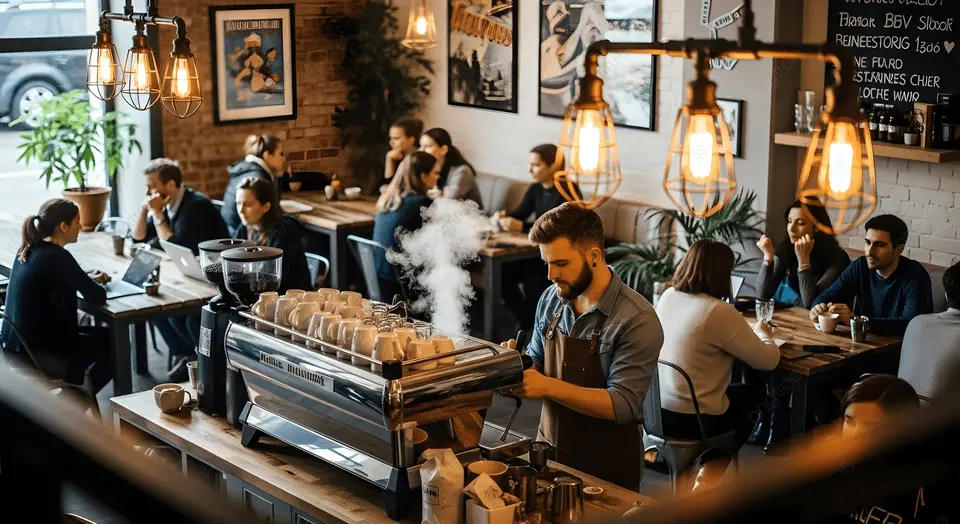
The same recipe, a different time, across boxes.
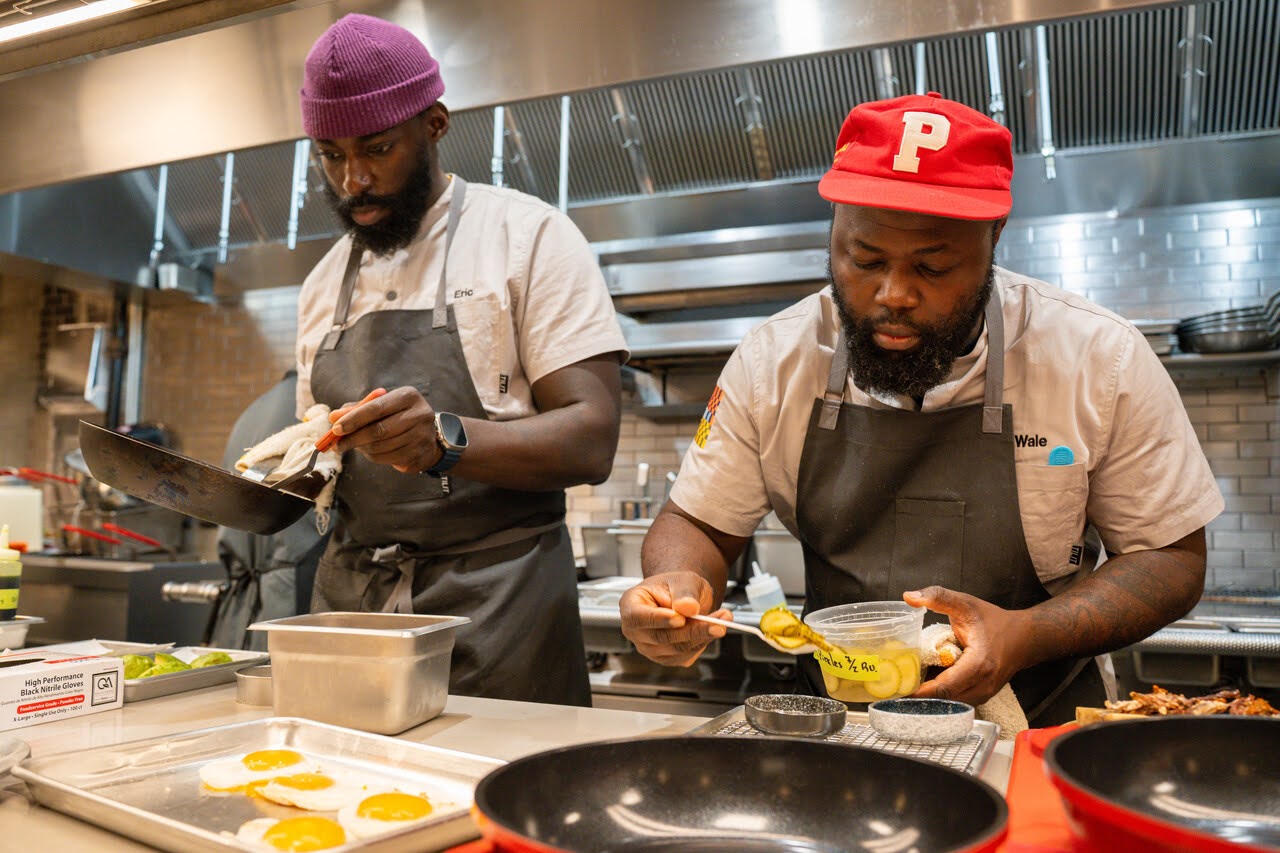
A new unit that does not yet run like the rest of the set.