
Industries
Beds, the ED, the OR, and the discharge that has to happen before noon.
A bed on the board is not a room. An admitted patient held in the ED is waiting on a clean, staffed bed upstairs. Discharge orders written at 8 a.m. do not free that bed before lunch if pharmacy and transport are still open.
Med-surg flow sets whether the ED can move. A board that shows a bed the unit cannot staff is not capacity. Post-acute is a discharge waiting on a bed that is not in this building.
The OR schedule assumes a turn the room does not hold. Minutes between cases stretch, and the next case starts late because the last one never left on the time the slate used.
Boarding is not an ED problem. It is an upstairs problem that shows up in a hallway bed.
Time in the hospital is boarding from admit decision to a staffed bed, discharge before the room is free, OR turn against the slate, bed control that matches what the unit can staff, and the pharmacy and transport handoffs in between. That method is on What we do.
4 hr
Joint Commission mark for ED boarding.
The Joint Commission LD.04.03.11 patient-flow guidance: boarding should not exceed four hours.
40%
Admitted patients who boarded more than four hours at the 2022 peak.
Janke et al., Health Affairs, Epic Cosmos — January 2022 peak.
30%
Typical share of discharges that leave before 11 a.m.
Common hospital target; published improvement studies often start well below that and land near 20–30%.
$1,856
Daily cost of a med-surg patient boarded in the ED.
Canellas et al., Annals of Emergency Medicine, 2024 — time-driven cost of med-surg boarding vs inpatient care.

An admitted patient still in a hallway bed.
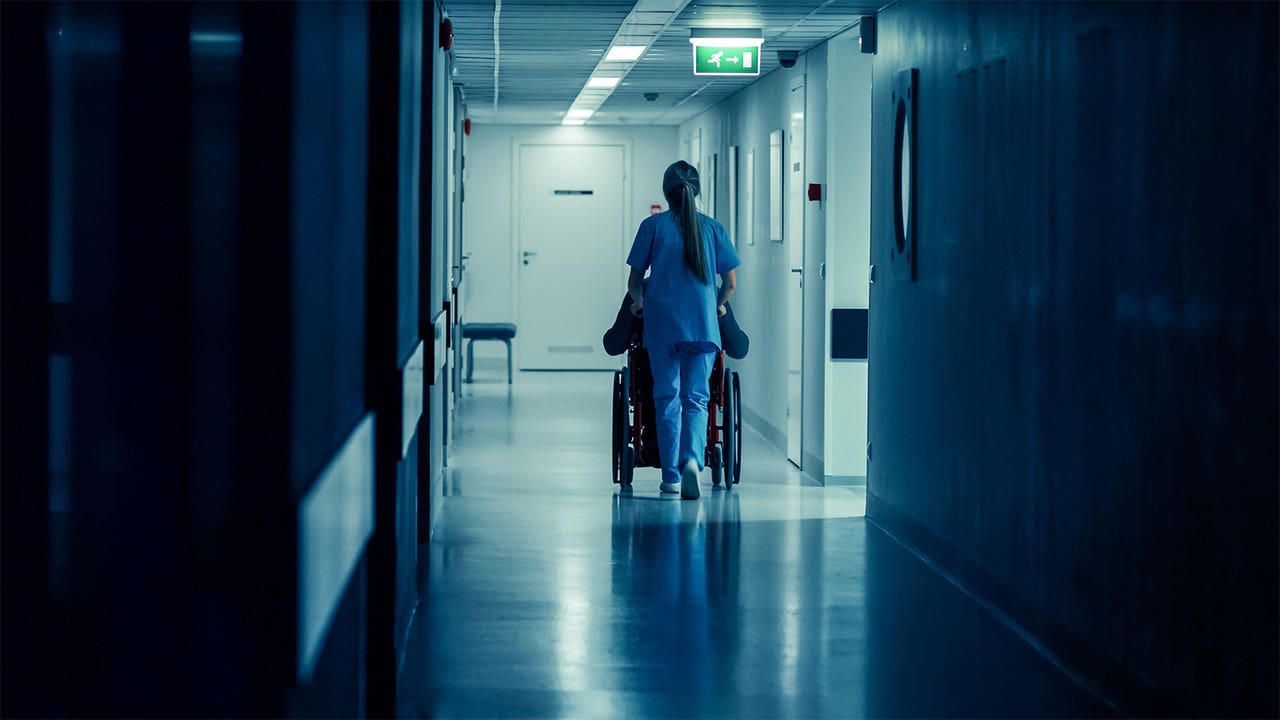
Orders written in the morning that do not free the room before lunch.
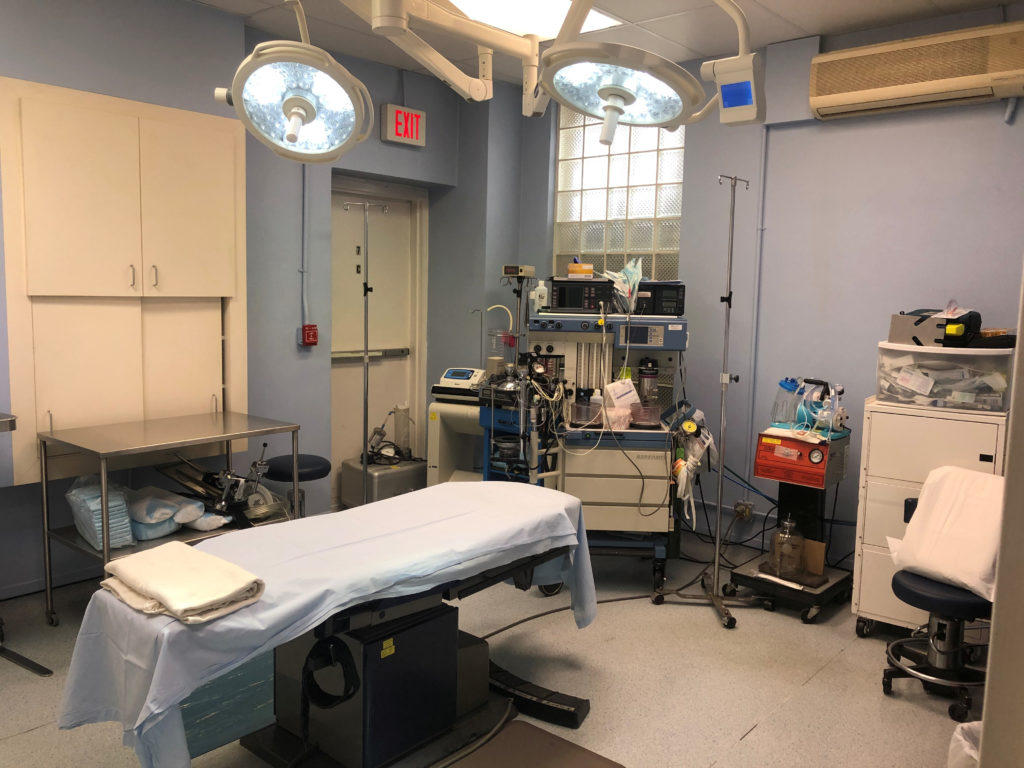
The minutes between cases that the schedule assumed were shorter.
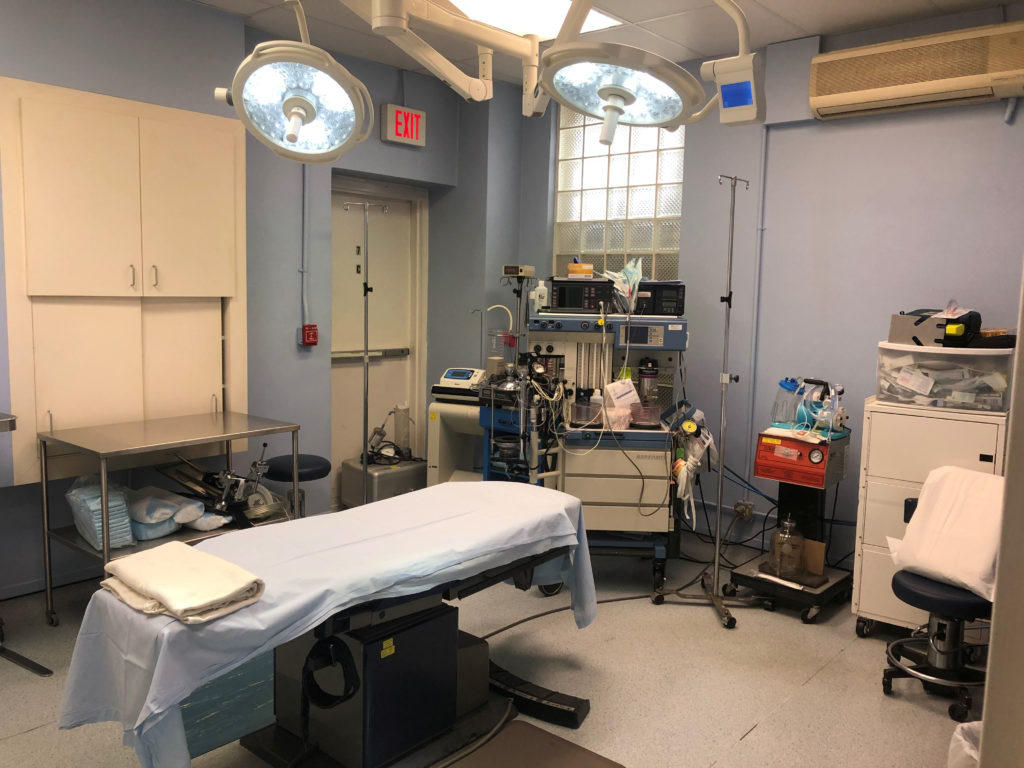
A board that shows a bed the unit cannot staff.